How to achieve metallic effects with oxides and glazes
Share
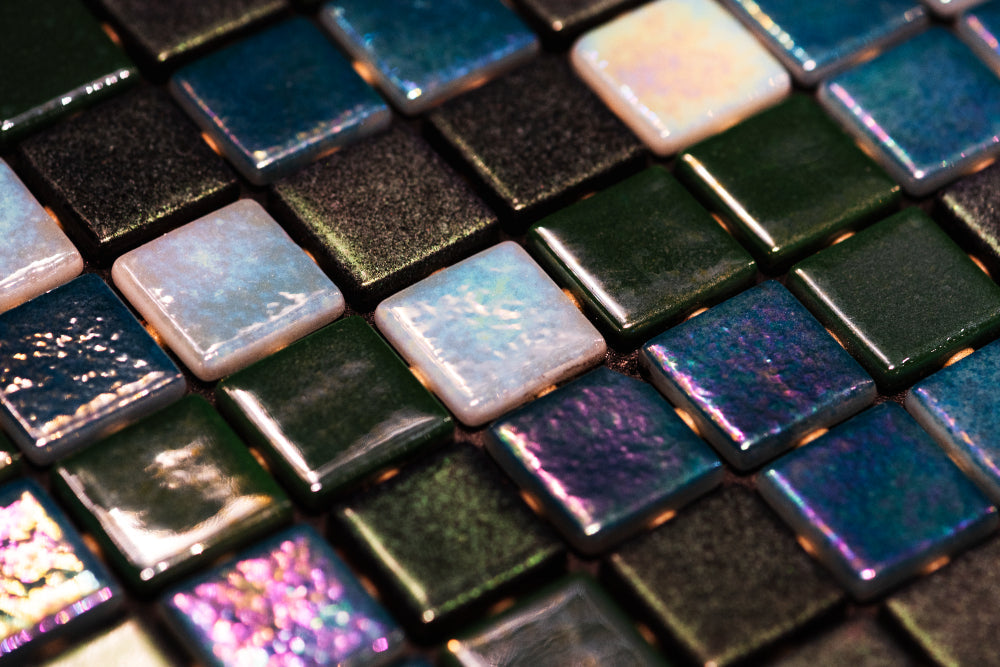
Metallic effects in ceramics provide an elegant and sophisticated finish to the pieces, allowing reflections and shines that mimic metals like gold, bronze, or silver. Achieving these effects is not complicated if you use the right oxides and glazes. In this article, we explain how to achieve them and what you should keep in mind.
1. Metallic oxides: the key to shine
Metallic oxides are essential for achieving metallic reflections in ceramics. Some of the most commonly used are:
Iron oxide: Provides coppery and golden tones depending on the temperature and firing atmosphere.
Copper oxide: It can generate reddish, greenish tones and even a metallic patina effect.
Cobalt oxide: Produces bluish reflections with an intense metallic finish.
Tin oxide: It is used in combination with other elements to achieve a pearlescent shine.
Silver oxide: Allows for bright and satin high-contrast effects.
2. Glazes with metallic effect
To achieve a metallic finish, you can opt for specific glazes that contain metallic salts or particles. Some options include:
Luster glazes: These are glazes that contain small amounts of precious metals like gold, platinum, or copper. They are applied in a third firing at low temperature.
Reactive glazes: They contain elements that, when combined with metallic oxides, generate metallic shine effects.
Reduction glazes: They need a low-oxygen atmosphere in the kiln to generate metallic reflections.
3. Techniques to enhance the metallic effect
Dipping or brushing glazing
Both methods work well, but if you are looking for a uniform effect, dipping is the best option. For more controlled details, brushing is ideal.
Use of reduction kilns
Reduction kilns remove oxygen during firing, enhancing metallic reflections, especially in copper and iron-based glazes.
Layering glazes
Applying different glazes in layers can create unexpected metallic effects. Experiment with combinations of reactive glazes and lusters to achieve unique finishes.
4. Final tips for a better result
Test before applying to a final piece: Each glaze and oxide reacts differently depending on the temperature and type of clay.
Control the firing temperature: Metallic glazes require specific temperatures to develop properly.
Experiment with firing atmospheres: Reduction and oxidation greatly influence the final result.
Achieving metallic effects in ceramics is a combination of material selection, techniques, and experimentation. By knowing the right oxides and glazes, you can create unique pieces with sophisticated and shiny finishes. Dare to try and discover the shine of metallic ceramics!