
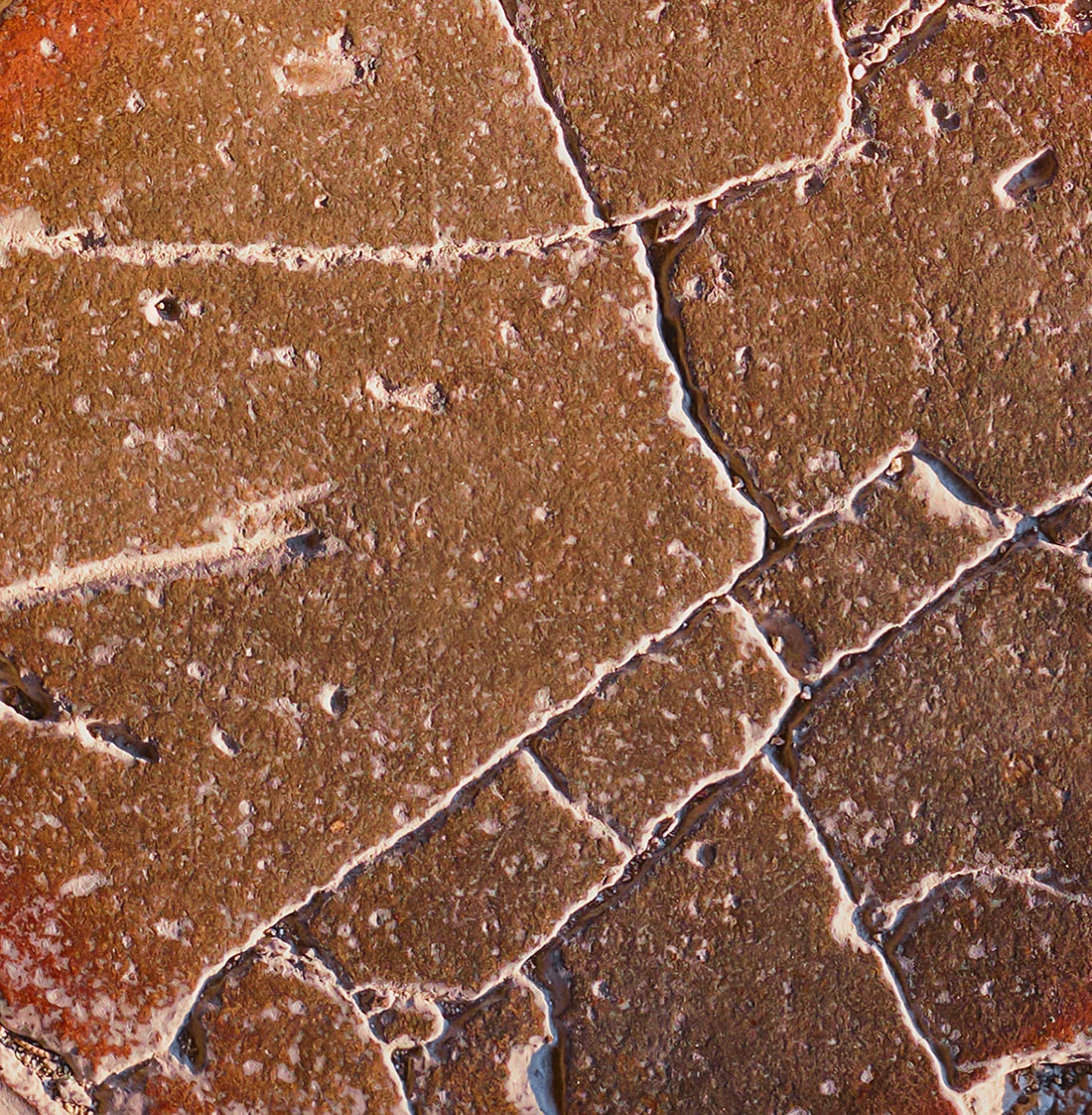
How to avoid cracks and defects in ceramics: tips for perfect pieces
Share
Cracks and defects in ceramics can ruin the effort and creativity of any ceramicist. From invisible fissures to obvious breaks, these problems can be solved if their causes are known and the appropriate techniques are applied. In this guide, you will discover how to prevent cracks and other defects to obtain strong and durable pieces.
1. Why do cracks appear in ceramics?
Cracks can arise for various reasons, but the most common are:
Uneven drying: If one part of the piece dries faster than another, tensions are created that can lead to fissures.
Irregular thickness: Differences in the thickness of the piece cause some areas to expand more than others during firing.
Humidity issues: Clay that is too dry or too wet can cause internal cracks.
Thermal shocks: Sudden temperature changes during firing can cause the piece to break.
2. How to avoid cracks in ceramics
If you want to ensure that your pieces are strong and free of defects, follow these tips:
2.1. Control the drying
✅ Cover the pieces with plastic to slow down the process and allow for even drying.
✅ Ensure that all parts of the piece dry at the same rate.
✅ Let the ceramics rest in an environment without drafts.
2.2. Use the right clay
✅ Choose a clay with low shrinkage if you often have problems with cracks.
✅ Add chamotte (crushed clay) to the mix to improve strength.
2.3. Regulate the oven temperature
✅ Perform a progressive firing curve, avoiding sudden temperature rises.
✅ Allow the pieces to cool slowly inside the oven after firing.
✅ Use pyrometers or controllers to accurately measure the heat in each phase.
2.4. Avoid defects in glazing
✅ Apply glazes in thin and even layers to avoid tensions.
✅ Make sure that the glaze and the clay have compatible expansion coefficients.
✅ Do not overload the piece with too much glaze, as it can cause cracks during firing.
3. Other common defects and how to avoid them
In addition to cracks, there are other problems that can affect your pieces:
Peeling of the glaze → It is avoided by choosing glazes compatible with the clay.
Bubbles on the surface → They are reduced with a good mix and by avoiding air bubbles in the clay.
Deformations → They are prevented by ensuring that the piece has a uniform thickness.
Conclusion
Preventing cracks and defects in ceramics requires patience, process control, and the proper use of materials. From good drying to a well-scheduled firing, each step is key to obtaining durable and flawless pieces.