
Cobalt Blue, its history
Share
Cobalt blue is a pigment that has left an indelible mark on the history of art, transforming the color palette and the techniques used by artists throughout the centuries. Its discovery and application have influenced various disciplines, from ceramics to painting, establishing itself as an emblematic color in artistic expression.
Origins and Discovery of Cobalt Blue
The use of cobalt as a dye dates back to antiquity. Civilizations such as the Egyptian and Persian used cobalt compounds to dye glass and ceramics, achieving distinctive blue shades. However, the pigment known today as cobalt blue was first synthesized in 1802 by French chemist Louis Jacques Thénard. Thénard sought a more economical and stable alternative to the expensive ultramarine blue, derived from lapis lazuli, and succeeded in creating a vibrant pigment by combining cobalt and aluminum oxides.
Impact on Painting and Visual Arts
The introduction of cobalt blue revolutionized painting, offering artists an affordable and durable option to represent skies, waters, and clothing. Impressionists like Claude Monet and Pierre-Auguste Renoir took advantage of this pigment to capture luminosity and atmosphere in their works, contributing to the evolution of modern art. Its stability and resistance to fading made it a favorite among painters, allowing for greater experimentation and expression in their compositions.
Applications in Ceramics and Glass
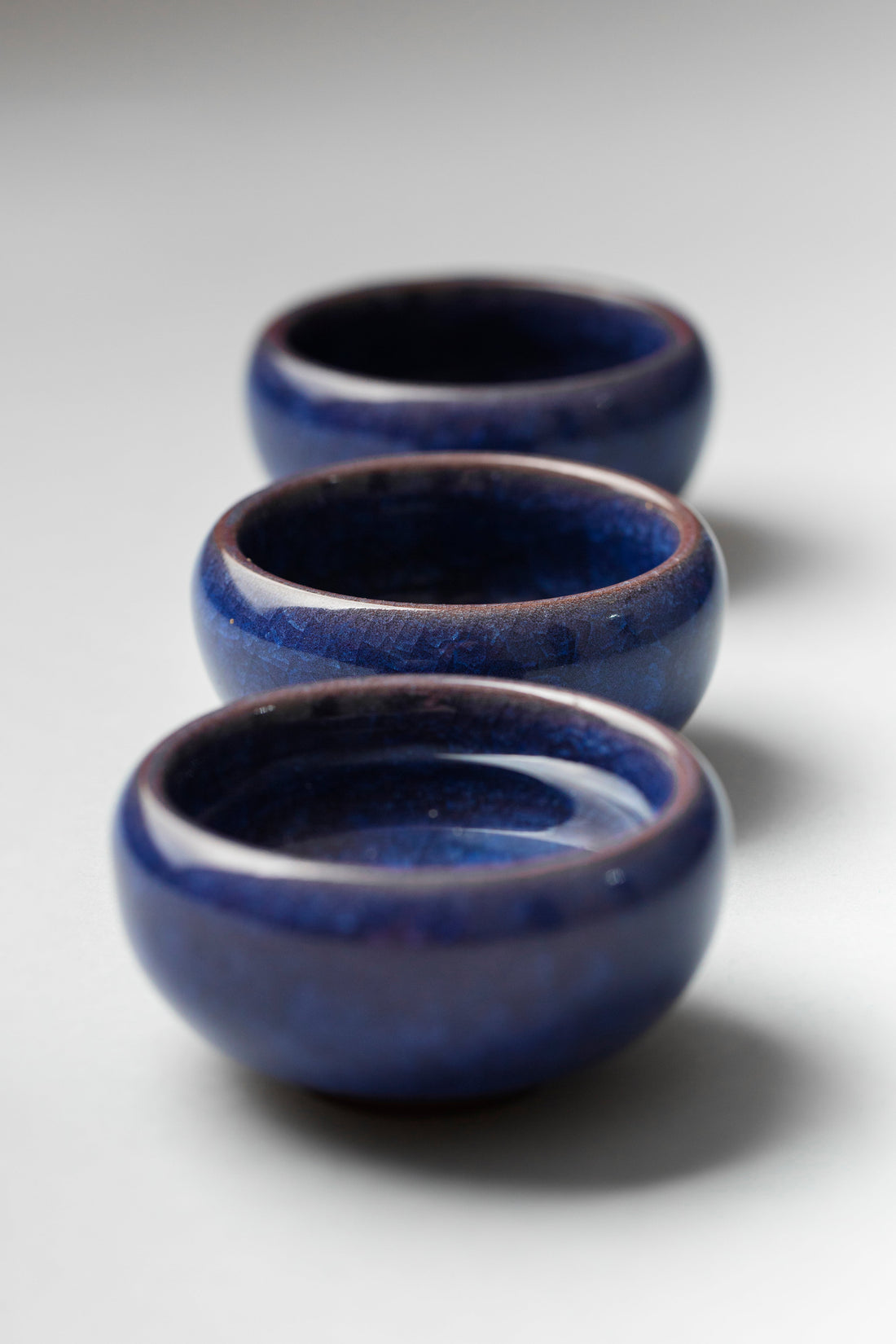
Beyond painting, cobalt blue has had a significant impact on ceramics and glass. In Chinese ceramics from the Ming dynasty, for example, cobalt oxide was used to decorate white porcelain with intricate blue designs. In Europe, during the 16th century, enamel blue, a form of this pigment, was used in the manufacture of glass and ceramics, especially in Bohemia and Saxony. The stability and intensity of the color made cobalt blue a popular choice for decorating tiles, tableware, and stained glass, providing a distinctive aesthetic that endures to this day.
Influence on Design and Fashion
The appeal of cobalt blue transcended the fine arts, influencing design and fashion. Its vibrant hue has been used in textiles, jewelry, and interior design, symbolizing elegance and sophistication. In the 20th century, artist Yves Klein took the fascination with this color to another level, creating the "International Klein Blue," a variant of cobalt blue that became his trademark.
The discovery of cobalt blue expanded the color range available to artists and craftsmen, influencing various forms of cultural and aesthetic expression. Its durability, versatility, and beauty have secured its place in the history of art and design, demonstrating how a single pigment can leave an indelible mark on human creativity.